Madagascar: Land of Culture, Nature, and Adventure
Who hasn’t heard of Madagascar?
In pop culture: the movie Madagascar, Ubisoft’s game Skull & Bones, and more recently, the new fighter Miary Zo in Tekken 8.
The country also shines in sports: football with the national team, the Barea, which made history at the 2019 Africa Cup of Nations, rugby with continental competitions, and local races such as the marathons in Antananarivo and Nosy Be. Water sports are popular along the coasts, with surfing, kitesurfing, and kayaking, while traditional activities like Savika, the bull-running sport, highlight the country’s rich cultural and sporting heritage. Even intellectual games like Fanorona continue to animate festivals and local competitions.
But behind these playful and cultural aspects, it is currently the political events since September 25 that dominate the news.
Why start this blog with Madagascar?
Several reasons:
- It’s my country of birth
- I am currently here while writing this article
- Since last year, I spend part of my life here, during the winter in France
Geography and Location
Madagascar is located in the Indian Ocean, east of Africa. The Malagasy people have an identity whose origins are often debated: Asia for some, Africa for others. Personally, I consider it a continent of its own.
This complex identity comes from the Austronesian origins of the Malagasy, who came from Southeast Asia (Laos, Indonesia, etc.). The Malagasy language retains this Austronesian structure, the closest being Ma’anyan, spoken in Borneo. African vocabulary, mainly linked to cattle and domestic animals, came from exchanges with the East African coast. French colonization also left some linguistic and cultural traces.

Origins and Ethnic Groups
The Malagasy people are divided into several ethnic groups, each with its own language, traditions, and culture. There are mainly 18, the most well-known being:
- Merina, from the highlands around Antananarivo
- Betsileo
- Betsimisaraka, along the east coast
- Sakalava, in the west
Each ethnic group has its customs, festivals, and skills, from craftsmanship to music, dance, and agriculture. Despite these differences, a shared connection to nature, family, and ancestral traditions shapes Madagascar’s unique identity.
Biodiversity and Landscapes
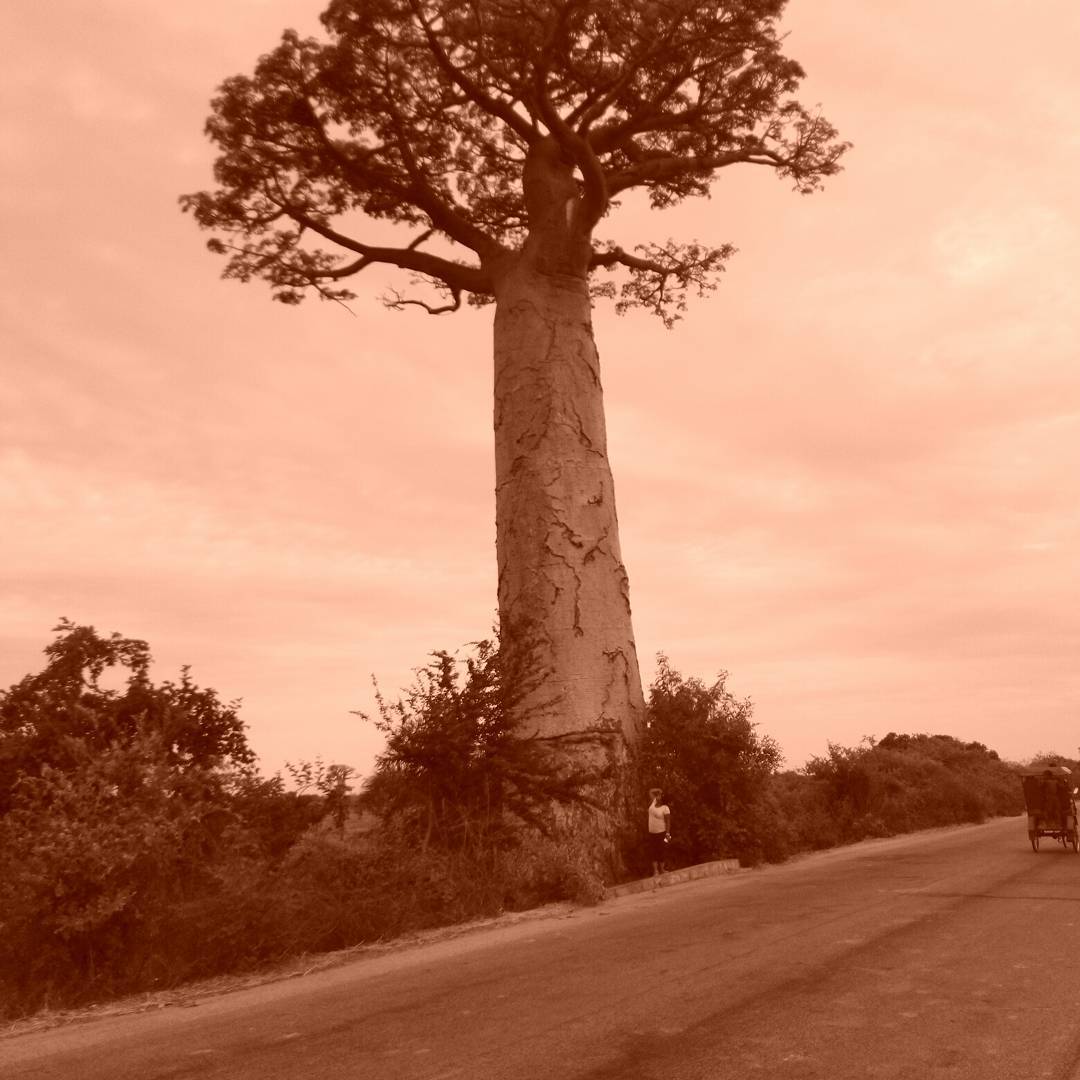
Madagascar is famous for its exceptional biodiversity, with over 90% of its animal and plant species being endemic. Lemurs, with their diverse behaviors, are emblematic, alongside chameleons, fossas, and certain unique birds. In flora, majestic baobabs, tropical forests, and rare orchids make the island famous.
Madagascar’s landscapes are equally varied: the highlands, the wild coasts of the east and north, the deserts and canyons of the south, and paradisiacal islands like Nosy Be and the Mitsio archipelago. Each region offers unique experiences, from hiking and wildlife watching to simply admiring nature.
Culture and Traditions
Malagasy culture is deeply rooted. Each ethnic group observes its own customs and beliefs, including Fady, traditional taboos that protect certain practices or sacred places.
Music and dance are omnipresent: from Salegy in the northern coast to Hira Gasy performances in the highlands, every event tells a story and preserves collective memory. Local craftsmanship, from wood carving to weaving, reflects the creativity and ancestral know-how of the Malagasy people.
Cuisine
Malagasy cuisine blends local flavors with foreign influences. Romazava, a meat and greens stew, and Ravitoto, pounded cassava leaves with pork, are iconic dishes. Tropical fruits are abundant, and rice remains a staple at every meal. The food reflects the history of the land and its people, offering a true taste of Malagasy culture.
Daily Life and Economy
Most Malagasy people live from agriculture, growing rice, vanilla, coffee, and other local products. Fishing is vital along the coasts, while crafts and tourism are growing sources of income. Cities like Antananarivo, Toamasina, and Mahajanga contrast with rural life, blending modernity with tradition.
Cultural Events and Eco-Tourism
Despite political challenges, Madagascar hosts numerous cultural festivals, such as the Donia Festival in Nosy Be or Madajazz, celebrating music, dance, and crafts. Eco-tourism is thriving, with initiatives to protect endemic species and raise awareness about the island’s unique environment.
In future posts, I’ll take you to explore parks, hikes, beaches, and culinary experiences that showcase Madagascar’s richness and diversity.
